The Lost Art That Might Save Your Grocery Budget (And Build Community While You're At It)
Here's a question: When was the last time you bit into a tomato that actually tasted like something? Not the waxy, mealy ones from the supermarket that look perfect but taste like cardboard. I mean a real tomato—sun-warmed, sweet, the kind that makes you understand why people used to can hundreds of
Here's a question: When was the last time you bit into a tomato that actually tasted like something?
Not the waxy, mealy ones from the supermarket that look perfect but taste like cardboard. I mean a real tomato—sun-warmed, sweet, the kind that makes you understand why people used to can hundreds of jars every summer.
If you can't remember, you're not alone. Somewhere along the way, most of us lost the knowledge our grandparents took for granted. We forgot how to grow food.
When a Teacher Trades the Classroom for the Greenhouse
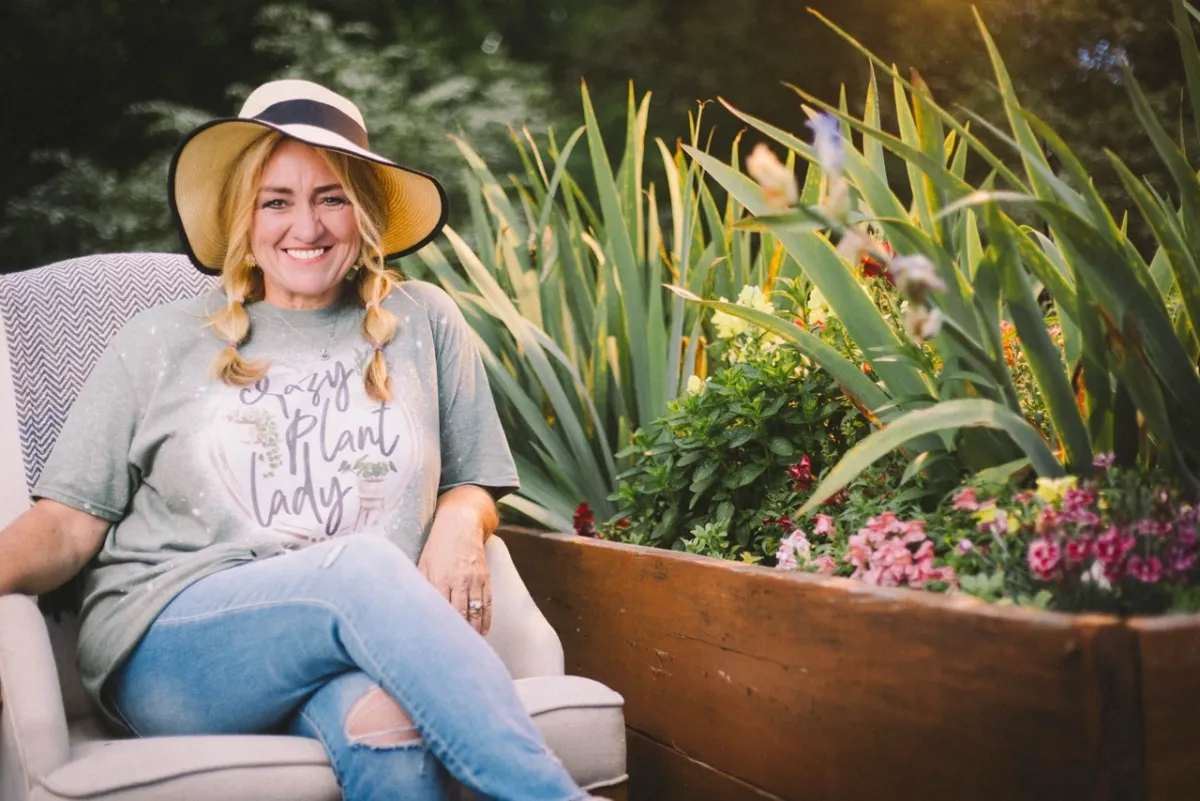
Tammy Jansen spent years as a schoolteacher in Russellville. She had a master's degree, a solid career, and summers off to tend her sprawling garden in Dover. What started as a hobby—a few raised beds, some fruit trees—grew into 25 raised beds at home, 60 fruit trees, and enough canned goods to feed her entire extended family for a year.
When she retired, her husband asked the logical question: "So what are you going to do?"
"I just want to garden," she told him.
His response? "Let's make it happen."
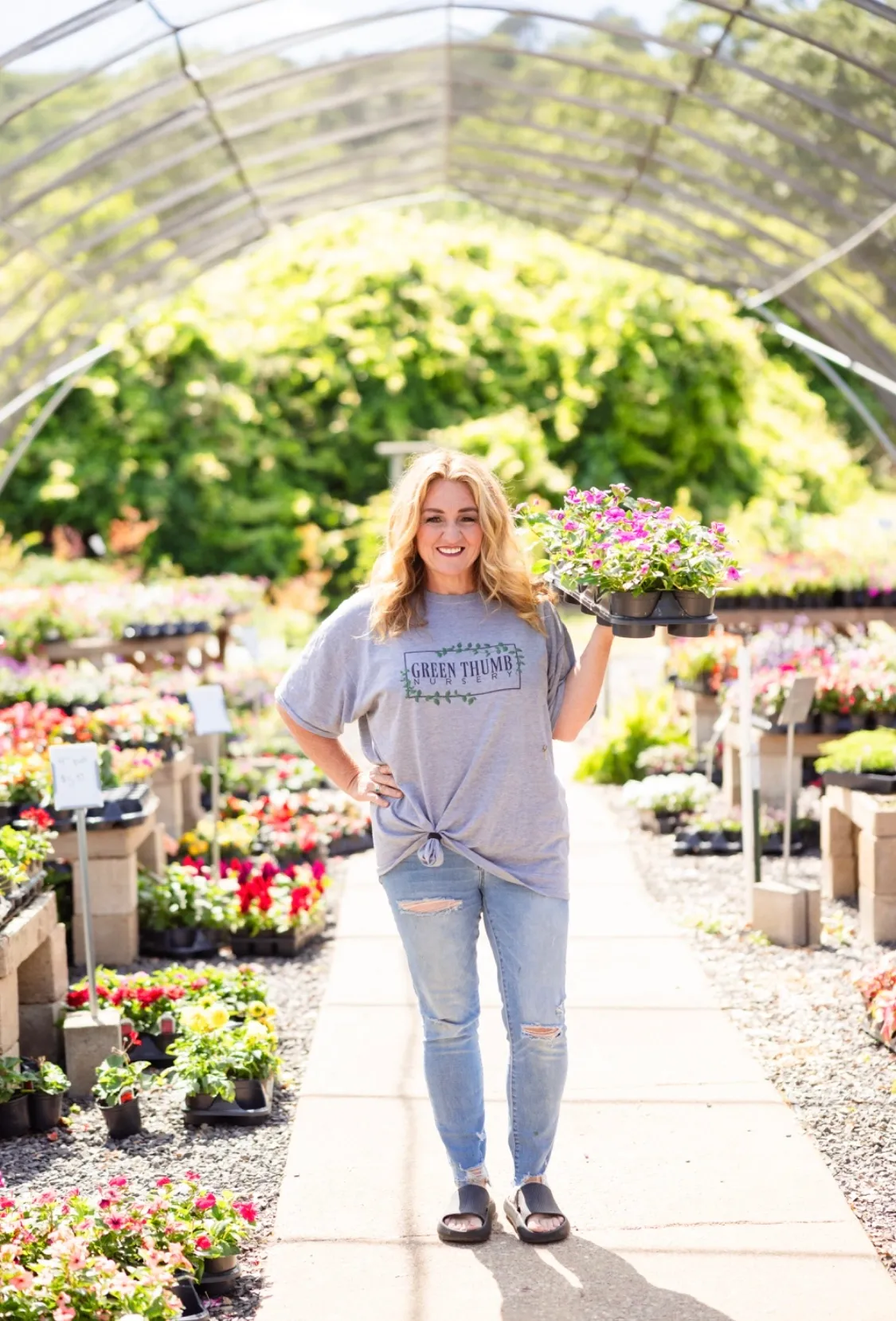
That conversation led to the Green Thumb Nursery at 4001 West Main Street. But this isn't just another place to buy petunias. Tammy took a property that had sat abandoned for 15 years—overgrown, invisible from the road, forgotten—and turned it into something Russellville didn't have: a place where people can actually learn how to grow their own food.
The Real Cost of Not Knowing
Here's the thing about fresh vegetables: they're expensive. A family trying to eat healthy can easily spend $50-75 a week just on produce. According to the USDA's 2024 Food Price Outlook, fresh fruit and vegetable prices have increased 8-12% over the past two years, outpacing most other food categories.
Meanwhile, one tomato plant—just one—can produce all season long, from early summer until the first frost. One 4x12 raised bed can grow enough squash, cucumbers, and tomatoes to make a real dent in your grocery bill.
The problem isn't that people don't want to grow food. It's that they don't know how, and they're afraid to fail.
"People say they have brown thumbs," Tammy told me. "It's really just because they don't have experience. You just got to not be afraid to try. And if you fail, then trust me, I have failed. You just have to try again."
She estimates that less than 10% of Russellville residents currently garden. Think about that for a second. In a region where our grandparents routinely fed themselves from backyard plots, fewer than one in ten of us know how to keep a tomato plant alive.
Building Knowledge, One Seedling at a Time
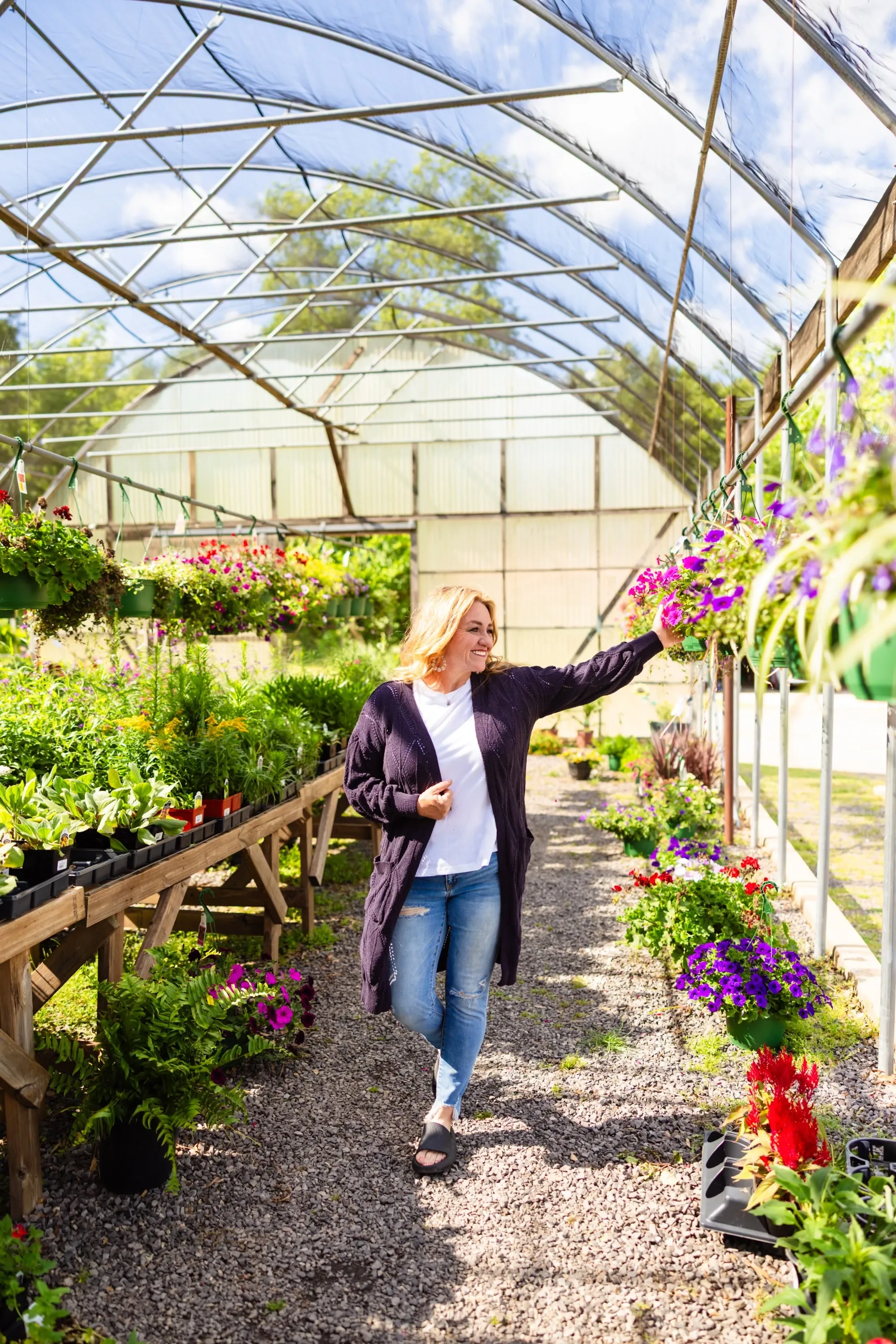
This is where Tammy's teaching background becomes crucial. She's not just selling plants—she's running field trips for schools from across the region. Kindergarteners through middle schoolers come to learn what a nursery actually is (spoiler: not a place for babies). They do yoga in the "secret garden," a greenhouse tunnel covered in wisteria that was so overgrown when Tammy bought the property that she could only see it through a tiny hole in the vegetation.
They plant succulents. They learn about plant life cycles. They do scavenger hunts. And they go home with something alive that depends on them.
"I see them out at events or at Walmart and the kids are like, 'My succulent's still alive!'" Tammy said. "They remember you. That's a big deal."
But it's the adult classes where the real transformation happens. Tammy runs gardening workshops throughout the spring—seed starting, container gardening, pest management, companion planting. She sits down with students and helps them plan out exactly where each plant should go based on sun exposure, what the weather will be like in July (not what it is in April), and which plants grow well together.
Basil planted near tomatoes doesn't just repel pests—it actually makes the tomatoes taste better. Petunias help with tomato hornworms. These are the kinds of practical details you can't get from a YouTube video or a big box store employee.
"I've had adults in the classes come back and say, 'You gave me the courage to start,'" Tammy said. "For me, that's what it's about."
The Economics of Self-Sufficiency
Let's get specific about what this looks like in practice.
Tammy grows enough food at her hobby farm (though calling it a hobby seems generous when you're managing 25 raised beds and 60 fruit trees) to can for her entire family—five siblings and their families, her parents, and friends. She donated fresh lettuce and vegetables to the Dover food program during COVID. She makes enough salsa and jam to sell at the nursery.
From potatoes alone, she puts up about 100 pint or quart jars each year. She stores potatoes in a cool, dark closet—no special equipment—and they keep for a full year. The ones she harvested in July are still good in January.
A 2023 study by the National Gardening Association found that a well-maintained vegetable garden yields an average of $600 worth of produce per year, with an investment of around $70 in seeds and supplies. For families struggling with food costs, that's not trivial. That's real money.
And you don't need 25 raised beds. You don't even need a yard. Tammy teaches container gardening for people in apartments. One tomato plant in a tub on your deck, with some basil and a few flowers to attract pollinators, will still taste better than anything at the store.
Why? Because commercial tomatoes are picked green so they can survive shipping. Once a tomato comes off the vine, the sun isn't ripening it anymore. It's ripening artificially, and the flavor doesn't develop the same way.
What We Lost (And What We're Finding Again)
Tammy learned the passion for gardening from her grandparents, even if she doesn't remember all the specific techniques they taught her. That spark was enough to send her down a path of self-education—learning organic methods, keeping bees, teaching herself skills that used to be common knowledge.
"It's a lost art," she said, and she's right.
According to a 2022 Pew Research study, only 35% of American households grow any food at all, down from over 40% just a decade ago. We've become completely dependent on a food system that prioritizes appearance and shelf life over nutrition and taste, that ships produce thousands of miles, that makes fresh vegetables a luxury item.
But here's what Tammy has figured out: the knowledge isn't actually lost. It's just sleeping. It can be relearned. And when it is, something shifts.
"Gardeners are just kind of community-oriented," she said. "You have extra food, so you've got to do something with it. You just get together."
She's seen it happen. People take her classes, start growing food, and suddenly they're texting her photos when a cold snap is coming, asking what to do. They're sharing their harvest with neighbors. They're teaching their kids. They're spending time outside instead of on screens.
"It's a sense of accomplishment," Tammy said. "It gets people out of the house. And then just eating better."
A Place Russellville Didn't Have
Before Green Thumb Nursery opened, there wasn't really anywhere in Russellville—or Pope County—for school field trips focused on agriculture and gardening. Tammy knows this because she spent years as a teacher looking for options. Every field trip meant leaving the county, which meant a full day instead of a half-day trip.
Now schools from 45 minutes to an hour away are coming to Russellville for field trips. They're bringing summer programs. They're staying for three or four hours, eating lunch at the picnic tables Tammy set up specifically for that purpose.
The property itself tells a story about what's possible when someone sees potential instead of problems. The old Jackson's Nursery—an important part of the community until it closed and sat empty for about 15 years—was so overgrown you couldn't see it from the road. The before-and-after photos look like two different properties.
"People come in all the time and say, 'I used to come here when I was a kid, and I'm so glad to see it open,'" Tammy said. "That makes me feel good, taking an asset and fixing it up."
She's still working on it. Every time they clear a new area, they discover something—old greenhouses, pathways, infrastructure from when Paul Jackson ran the place. Some of the sidewalks are stamped 1976.
But revitalizing a property that's been abandoned for 15 years while also learning to run a business from scratch, managing employees, handling taxes and licensing, doing all the ordering and bookkeeping and website management and actual landscaping work? That's not a small thing.
"I wake up every day and I'm like, 'I'm just gonna make it happen and I'm gonna figure it out,'" Tammy said. "My biggest thing is I've had to learn how to deal with if it doesn't work, move past it."
Her husband, who runs another business, told her this was her baby—he'd support her, but she'd have to figure it out. And she has. The nursery is heading into its third full year. They're expanding their landscaping services, doing commercial and residential work, maintaining planters for businesses and schools around town.
What Happens When More People Garden?
Imagine if instead of less than 10% of Russellville residents gardening, it was 20%. Or 30%.
You'd have families eating fresher, healthier food while spending less money. You'd have kids learning responsibility and where food actually comes from. You'd have neighbors sharing harvests and knowledge. You'd have people spending more time outside, getting vitamin D, experiencing the satisfaction of creating something with their hands.
You'd have more people who are just a little more self-sufficient, a little more connected to the rhythms of the seasons, a little less dependent on systems they don't control.
During COVID, when supply chains snarled and grocery shelves emptied, gardeners kept eating. Tammy was donating produce to food programs. The people who knew how to grow food didn't panic.
That kind of resilience used to be normal. It could be again.
Getting Started
Green Thumb Nursery runs workshops throughout the spring—usually until the end of April or early May. The classes cover everything from seed starting (which Tammy recommends you try eventually, but maybe not as your very first gardening project) to container gardening to pest management to companion planting.
She'll sit down with you and help you plan out your actual garden space, accounting for sun exposure and what you want to grow and what your family will actually eat.
"Don't go big and do them all," she advised. "Pick the one or a few that you think your family is gonna enjoy the most."
The classes are listed on the nursery's website at www.greenthumbursery.com, or you can call (479) 567-5456 to register. If you can't make the scheduled times, Tammy encourages people to reach out anyway—she's working on creating video content for people who work during class hours.
Beyond the classes, the nursery offers what you won't get at the big box stores: actual expertise and ongoing support. Tammy and her team (including her sons and an employee named Cat who's apparently fantastic at flower arrangements) will talk with you as long as you need. They'll admit when they don't know something and then figure it out. They'll answer your texts when a frost is coming and you're panicking about your plants.
"It's a lifelong relationship you build with people," Tammy said. "That's why we did it. That's why we opened this nursery—to build a community of gardeners."
The nursery also hosts events beyond gardening: art therapy painting classes, flower arranging workshops, terrarium parties, birthday parties, even a wedding in the secret garden this July. You do need to call ahead for events so they have enough supplies, but they're open to trying new things.
Want to hear more of Tammy's story and get deeper into her gardening philosophy? Listen to the full podcast episode here:
A Different Kind of Investment
Tammy gave up a career she'd spent years building—college degrees, a master's, all the credentials—because her husband believed in her dream enough to say, "Let's make it happen."
She's not making pottery because she needs pottery. She's teaching herself to make concrete planters because she saw something she could buy and thought, "I can make that." She's building a YouTube presence with local creator Jill (one video on raised beds has 907,000 views) because she wants to share what she knows.
"I've never been afraid to try something," she said.
That willingness to try, to fail, to adjust, to keep going—that's what turned a overgrown, forgotten property into a place where kids learn that plants aren't just things you see at Walmart, where adults find the courage to start growing their own food, where a teacher's passion for gardening becomes a community resource.
It's also what makes a tomato that actually tastes like a tomato possible.
If you've been thinking about starting a garden but don't know where to begin, you now know where to go. Green Thumb Nursery, 4001 West Main Street. The woman with dirt under her nails and a master's degree who'll sit on the front porch in a rocking chair and talk garden with you for as long as you want.
She's got 100 jars of canned potatoes that say she knows what she's doing.